
Renovation
Renovation
Why People Choose to Renovate
Homeowners decide to renovate for many reasons, but they generally fall into three main categories:
1. Increasing Property Value
Many homeowners renovate to enhance the market value of their property, especially if they plan to sell. A well-executed renovation can significantly boost resale potential.
2. Updating for Modern Living
As family needs and lifestyles evolve, renovations help adapt the home accordingly. This may involve redesigning spaces for open-plan living, adding extra rooms, or upgrading old kitchens and bathrooms to meet today’s standards of comfort and design.
3. Improving Energy Efficiency
With rising energy costs, many people renovate to make their homes more energy-efficient and eco-friendly. Upgrading insulation, windows, or heating systems can lower bills and create a more sustainable living environment.
Types of Home Improvements
Home improvements can range from cosmetic changes to major structural upgrades, depending on the homeowner’s goals. Common renovation projects include:
Modernizing bathrooms and kitchens
Upgrading plumbing, electrical, and HVAC systems
Expanding living spaces through extensions or loft conversions
Adding soundproofing or waterproofing
Improving insulation and overall energy performance
Whether it’s enhancing comfort, aesthetics, or functionality, renovation helps you tailor your home to fit your lifestyle.
The Renovation Process
Renovations can generally be classified into three levels of complexity:
1. Light Renovation
Minor projects like repainting, redecorating, or updating soft furnishings. These are often manageable as DIY tasks.
2. Medium Renovation
Work involving electrical or plumbing systems. These typically require hiring certified professionals to ensure safety and compliance with local regulations.
3. Heavy Renovation
Major projects such as removing walls, adding extensions, or changing a home’s structure. These large-scale renovations often require architectural plans and approval from local authorities. Before beginning, it’s important to consult your local planning office to confirm any necessary permits and obtain several quotes from reputable builders, as costs can vary widely.
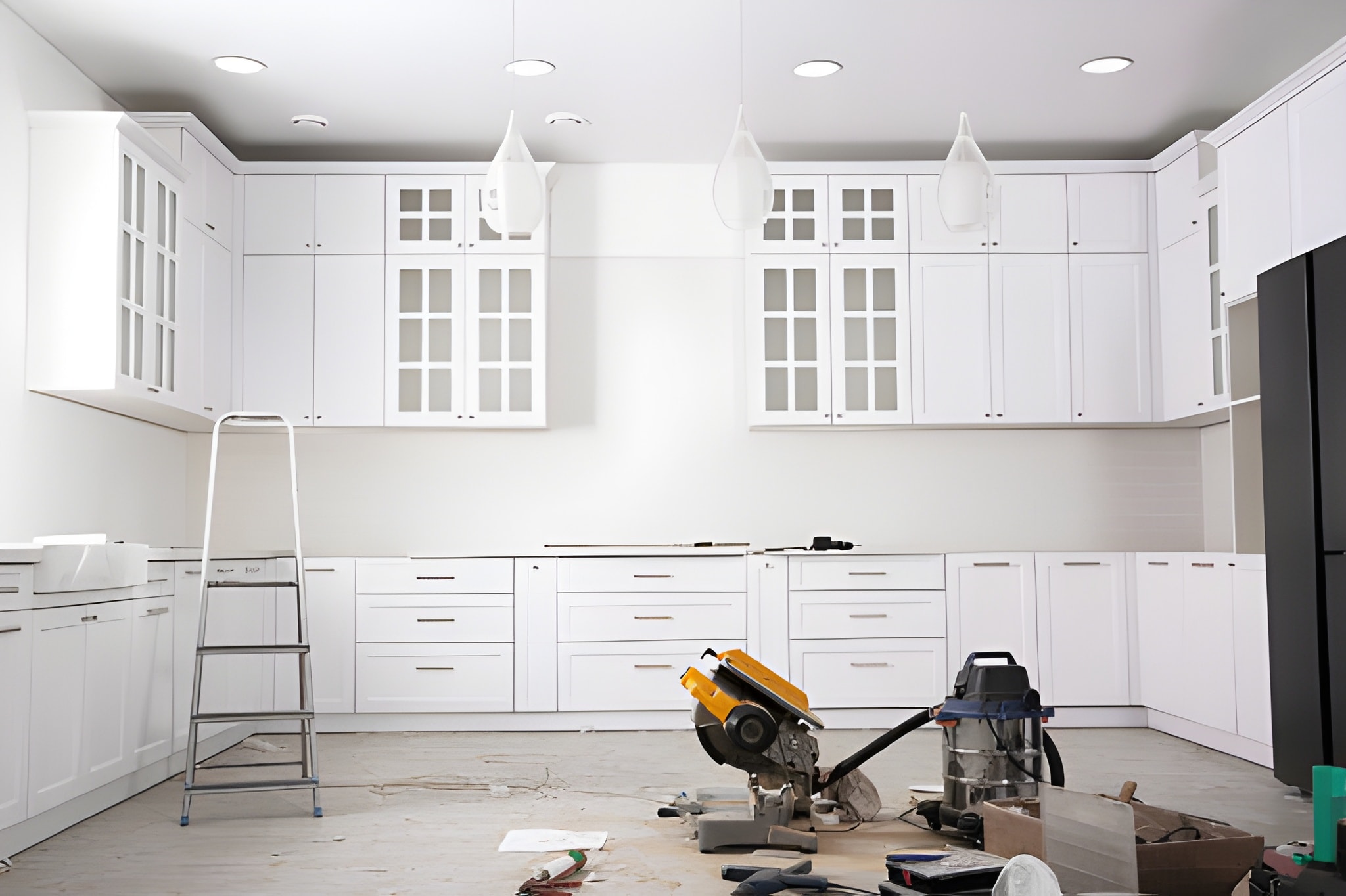
The UK Renovation Industry
In the UK, homeowners have a strong passion for renovating and modernising their properties. From minor updates to full-scale transformations, no two renovation projects are ever the same — and neither are their budgets. The key to a successful renovation is careful planning: understanding your goals, setting a realistic budget, and knowing exactly why you want to renovate.
To help you get started, here are some practical guides, cost insights, and ideas to plan your renovation effectively.
Renovation Guides
Should You Move Out or Stay During Renovation?
Depending on the scale of work, you may need to decide whether it’s best to remain in your home or temporarily move out for convenience and safety.Renovation vs. Refurbishment
Renovation generally involves larger, structural changes, while refurbishment focuses on smaller internal updates or cosmetic improvements.Bathroom Tips and Checklist
Before starting your bathroom project, go through essential planning steps and materials to ensure a smooth renovation process.Renovation Insurance
It’s wise to consider project insurance to protect yourself financially if anything goes wrong during the renovation.Painting Skirting Boards
Every room has skirting boards — learning how to paint them neatly adds a professional finish to your renovation.Order of Renovation Work
Planning the correct sequence of renovation tasks keeps your project organised and prevents costly mistakes or delays.Project Management Skills
Managing tradespeople, timelines, and budgets requires strong organisational and communication skills. Mastering these soft skills ensures a successful renovation.Alternatives to Gas
With gas prices rising, explore eco-friendly and cost-effective alternatives such as electric heating, air-source heat pumps, or solar energy systems.
Cost to Renovate
Renovation costs in the UK vary based on the size, condition, and type of property:
Full Home Renovation: Around £38,000 on average, though Grade II listed properties often cost significantly more due to specialist requirements.
Bathroom Refurbishment: Around £4,500, depending on materials and design. A completely outdated bathroom may cost more if nothing can be reused.
Laundry Room Renovation: Prices typically start at £994, but can reach £11,329 for a premium setup.
Staircase Renovation: Around £2,000, offering both visual appeal and added property value.
Single Room Renovation: Naturally, renovating one room costs much less than a full house renovation and can be a smart way to upgrade gradually.
Renovation Ideas
Looking to transform your home? Here are some inspiring renovation ideas:
Explore budget-friendly updates like repainting, refinishing floors, or updating fixtures.
Add storage solutions and maximise space efficiency.
Refresh your interiors with modern lighting and smart home features.
Focus on energy efficiency to reduce long-term bills.
Even on a tight budget, creative renovation ideas can give your home a fresh, modern look — making it more comfortable, stylish, and valuable.